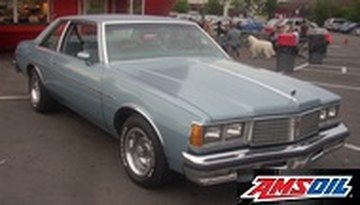
Maintaining Lubrication Integrity for the 1981 Pontiac LAURENTIAN 4.4L
Proper engine care for a vehicle of this era requires a focus on consistent monitoring and proactive inspection. For owners of the 1981 Pontiac LAURENTIAN with the 4.4L engine, maintaining the lubrication system is a fundamental aspect of long-term mechanical health. Because older engines rely on specific material tolerances and seal compositions, staying attentive to fluid condition and potential leaks is essential for preventing unexpected issues.Monitoring Fluid Condition and Potential Leaks
A primary task in routine maintenance involves observing the area around the engine for any signs of fluid seepage. Over time, gaskets and seals may experience changes in their ability to maintain a tight barrier. When performing inspections, it is useful to look for wetness or residue on various engine surfaces. If you notice dark staining or fresh fluid pooling under the vehicle, this warrants further investigation. Such observations can be associated with several different components, ranging from simple seal aging to more complex gasket issues. Rather than attempting to diagnose a specific component based solely on a visual cue, it is best to identify the source of the seepage through a thorough cleaning and subsequent monitoring of the area. Additionally, checking the appearance of the engine oil itself can provide useful information. Oil that appears excessively dark, gritty, or contains visible particulates may indicate that the lubricant has been subjected to high thermal stress or that the filtration process is not operating as intended. Consistent monitoring of the oil's color and texture helps in determining when a change is necessary to maintain optimal engine cleanliness.Observing Potential Warning Signs
While many maintenance needs are identified through scheduled service, some issues may present themselves through observable symptoms during operation. It is important to recognize that various mechanical changes can manifest in different ways, and a single symptom does not always point to one specific cause. For instance, an unusual odor coming from the engine compartment might indicate that lubricant is contacting a hot surface. Similarly, any unexpected mechanical noises—such as tapping or knocking—should be investigated promptly. These sounds can be related to many different internal or external factors and should never be ignored. If you notice changes in how the vehicle operates shortly after a service interval, such as new vibrations or altered performance characteristics, it is wise to re-examine the work performed. Furthermore, if any warning indicators appear on the dashboard related to engine operation, immediate attention is required to prevent potential damage. Always remember that symptoms are often complex and require a professional assessment to determine the true underlying cause.Prioritizing Long-Term Engine Care
As vehicles age, maintenance strategies often shift from simple part replacement to more comprehensive condition-based monitoring. For an owner of a 1981 Pontiac LAURENTIAN, establishing a clear understanding of the vehicle's current state is the most effective way to manage future repairs. If service records are available, reviewing them can help identify patterns in maintenance or previous repairs. This history provides a baseline that makes it easier to spot deviations from normal operation. If no records exist, the first priority should be establishing a new baseline by performing a thorough inspection of all fluids and major engine components. When deciding where to focus your efforts, prioritize active concerns. Addressing an existing leak or investigating a new noise is more critical than following a generic schedule for parts that appear to be in good condition. Distinguishing between necessary preventive maintenance and the unnecessary replacement of healthy components can save time and resources. By focusing on the actual condition of the 4.4L engine rather than just its age, you can make more informed decisions about its continued operation.Inspecting Auxiliary Components
Beyond the core lubrication system, other engine-adjacent components require periodic attention to ensure the overall health of the vehicle. If equipped, accessible drive belts should be inspected for signs of wear such as cracking, glazing, or fraying. These components are subject to heat and friction, which can cause the material to degrade over time. Similarly, if the vehicle is equipped with various hoses, these should be checked for signs of softening, swelling, or brittleness. Any evidence of leakage near hose connections or clamps should be addressed to prevent loss of vital fluids. Even checking electrical connections and wiring harnesses for signs of corrosion or fraying can prevent intermittent issues that might otherwise complicate engine performance.Effective Record Keeping for Ownership
Maintaining a detailed log of all service performed on the 1981 Pontiac LAURENTIAN is one of the most practical steps an owner can take. A well-kept record should include the dates of service, the specific products used (such as oil and filter part numbers), and any observations made during inspections. This documentation serves two purposes: it helps you track upcoming maintenance needs and provides a valuable history if the vehicle is ever sold or serviced by a new technician. Knowing exactly when the last lubrication service occurred or which components were recently inspected allows for much more precise maintenance planning and prevents the duplication of unnecessary work.Practical Guidance for Buying Engine Oil for the 1981 Pontiac LAURENTIAN 4.4L
When it is time to replenish your engine's lubricant, the most important step is ensuring the product matches the specific requirements of your application. Do not rely on general automotive knowledge or assumptions based on the vehicle's age to select a grade. Instead, match the engine oil to the application-specific viscosity information already displayed on this page. When you are ready to purchase, check the product labeling carefully to ensure it meets the appropriate quality standards and certifications. Depending on your specific needs and the current condition of your engine, you may encounter various options, including:- Conventional oils: Standard formulations used for many years in traditional engine designs.
- Synthetic blends: A combination of conventional and synthetic oils designed to offer different performance characteristics.
- Full synthetic oils: Highly engineered lubricants that provide high thermal stability and resistance to oxidation.
- High-mileage formulations: Some formulations contain additives intended for use in aging engines, including seal-conditioning additives.